A home EV charger is one of the single biggest lifestyle upgrades when you switch to an electric car. Instead of hunting for a fast charger on the motorway, you plug in at home, let the car top up overnight on cheap off-peak electricity, and wake up to a full battery. This guide covers the key choices you need to make before buying a chargepoint, what a typical install looks like, and how to make sure you get the best value out of it.
Why Charge at Home?
Public charging is getting faster, but it is still expensive compared to charging at home. With an EV tariff and an off-peak charging slot, you can pay a fraction of the per-mile running cost of a petrol car. Home charging also means you never have to plan a journey around chargepoint availability for local trips.
- Lower running costs: Off-peak electricity can be 5-10 times cheaper per kWh than public rapid charging.
- Full battery every morning: Even slow overnight charging is enough to top a typical EV from 20% to 100% by sunrise.
- No hunting for chargers: Day-to-day driving needs nothing more than the charger on your driveway.
- Future-proofing: A properly installed chargepoint adds resale value and is ready for a second EV or a battery upgrade down the line.
7kW vs 22kW
You will see two headline power levels quoted on almost every home charger: 7kW and 22kW. For the vast majority of UK homes, 7kW is the right answer, and here is why.
- 7kW (single-phase): Works on the standard domestic electricity supply that almost every UK home has. Delivers a full overnight charge for most EVs. Simpler install, lower cost, no supply upgrade needed.
- 22kW (three-phase): Three times faster, but requires a three-phase electricity supply. Most UK homes do not have three-phase, and getting it upgraded is expensive and often slow. Only worth it if you already have three-phase, usually in commercial or rural properties.
Unless you already know you have a three-phase supply, plan for a 7kW install. It is the sensible default for a typical home.
Planning an EV Charger Install?
Call R&R Electrical on 07395 181 902. Free surveys, DNO notifications handled, and proper certification on every install.
Call for a Free QuoteSmart Features
Modern chargepoints are much smarter than the early models. The features actually worth paying for are the ones that save you money or make charging easier.
- Scheduled charging: Tells the charger to start charging only during your tariff's off-peak window, which is where the real savings live.
- App control: Check charging progress, start or stop sessions, and track usage from your phone.
- Tariff integration: Some chargers speak directly to smart tariffs like Octopus Intelligent Go, which automatically picks the cheapest slots even outside standard off-peak hours.
- Dynamic load balancing: Stops the charger from overloading your incoming supply if you are running high-draw appliances at the same time.
- Manual control: Buttons on the unit itself so you are never stuck if the app or your phone is unavailable.
What Happens on Install Day
A typical home EV charger install is a one-day job. Here is roughly what to expect.
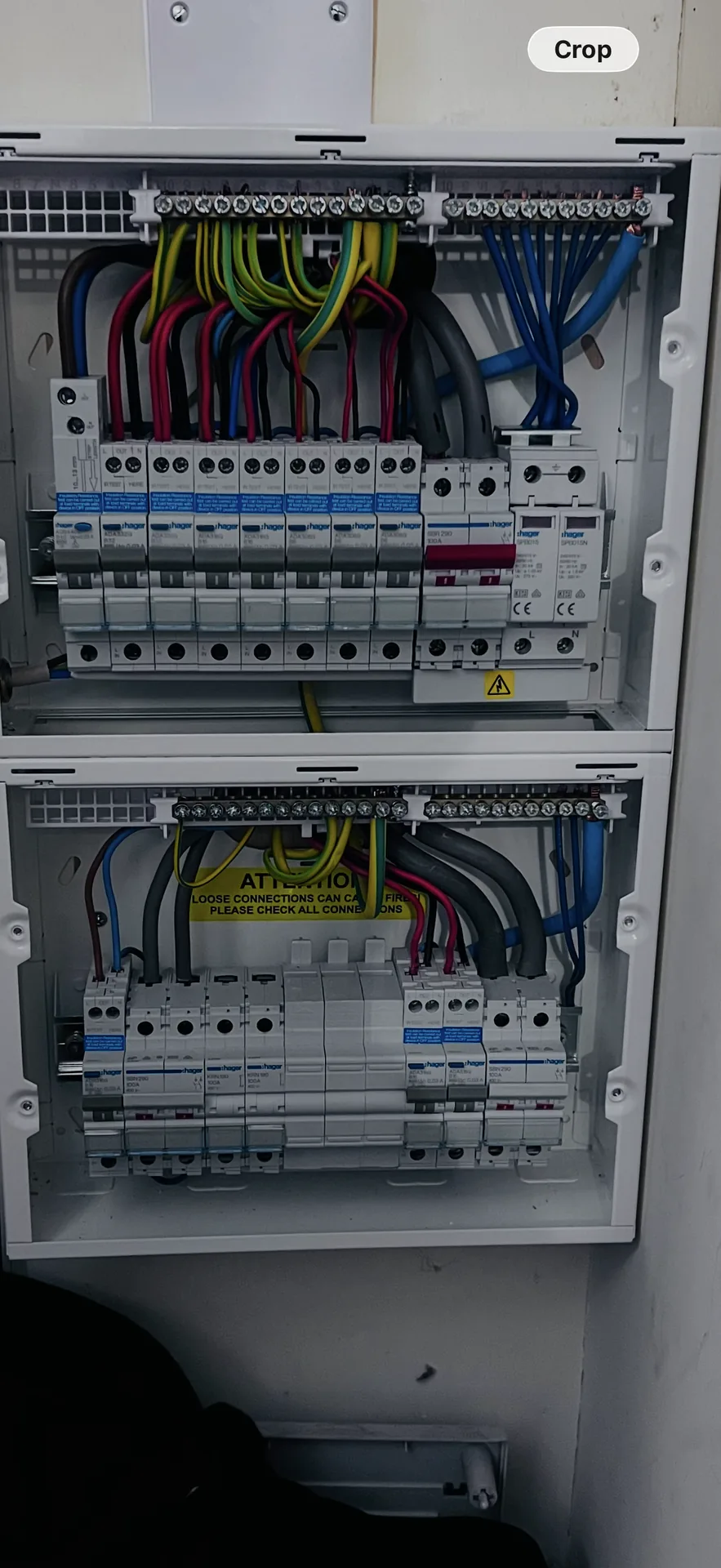
- Pre-visit survey: We check your consumer unit has spare capacity, look at the best cable route from the board to the drive, and confirm everything is compatible with the unit you have chosen.
- Dedicated circuit: A new cable runs from your consumer unit to the chargepoint on a dedicated circuit with its own RCD or RCBO protection.
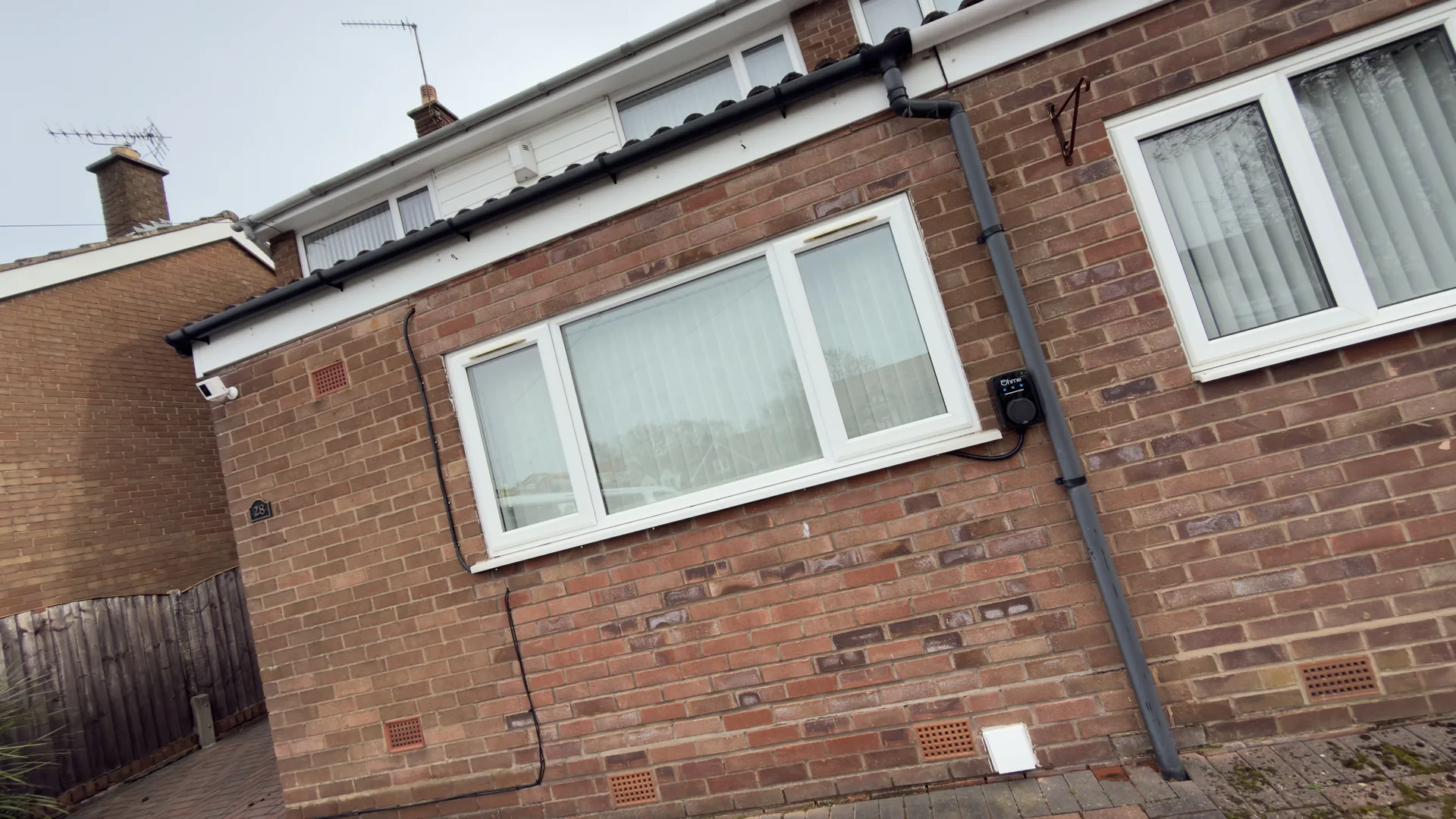
- Mounting the charger: Fitted to an external wall or bollard at a height that works for the car's charging port.
- Testing and commissioning: Insulation resistance, earth continuity, and live commissioning all recorded so the unit is ready to use the moment we leave.
- App setup: We connect the unit to your home network, install the app on your phone, and walk you through scheduled charging so you get the off-peak benefit from day one.
- DNO notification: We submit the paperwork to your local distribution network operator for you, because most home chargers legally require notification.
Cost Guide
Most home EV charger installs fall between £1,050 and £1,400 for a standard single-phase setup.
- Charger unit: £600 – £900 depending on brand and smart features.
- Installation labour: £400 – £500 for a standard install with a cable run of up to around 10 metres.
- Longer cable runs: £30 – £50 per extra metre beyond the standard run.
- Consumer unit upgrades: If your existing board does not have spare capacity, an upgrade is quoted separately before any charger work starts.
Frequently Asked Questions
In most domestic cases, no. Planning permission is only usually needed for listed buildings, conservation areas, or chargers taller than 1.6m or within 2m of a public highway. We flag any of these during the site survey.
Most standard installs are completed in a single day from arrival to app walk-through. If your consumer unit needs work beforehand, we schedule that as a separate visit so there are no surprises on install day.
Yes. All modern home chargers use standard Type 2 connectors and work with every mainstream EV, so changing car in the future is not a problem. The unit stays where it is.
We check supply capacity during the survey. If there is not enough headroom for a 7kW charger, we either set the unit to a lower power limit that still works safely or arrange a supply upgrade through your distribution operator before the install.